
Emotional Eating and How to Stop It
Friday, May 31, 2024

Emotional Eating and How to Stop It
As we embrace the journey ahead, Alice's Weekly Sports Nutrition Digest is thrilled to guide you through the art of sustaining your resolutions. This week, we dive deep into the essence of transformation—Making Your Resolutions Stick. Together, we explore not only the path to setting ambitious goals but also the strategies to maintain them, ensuring they evolve into a lifestyle.
Meet Alice, your expert guide at the crossroads of sports nutrition, fitness, and holistic wellness. This week, she's cracking the code on the fascinating link between your dinner plate and your dreamscape.
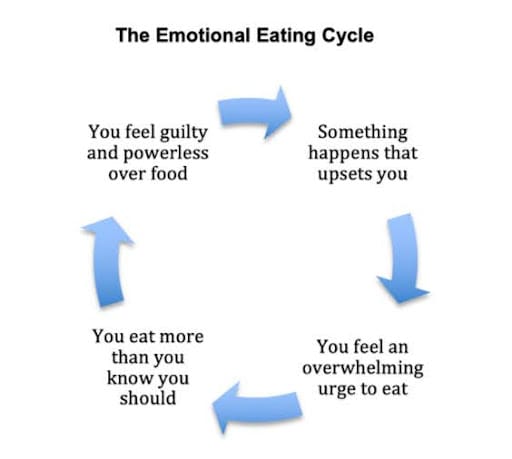
Do you ever find yourself reaching for food when you're stressed, bored, or down? You're not alone. Emotional eating is a common struggle, but it can be addressed. This post will equip you with tips to break free from emotional eating and find healthier ways to manage your feelings.
What is Emotional Eating?
Emotional eating is using food for comfort, stress relief, or to cope with difficult emotions. It often leads to unhealthy choices like sugary treats or processed snacks. While occasional indulgence isn't a problem, emotional eating becomes unhealthy when it's your go-to coping mechanism.
Are You an Emotional Eater?
Ask yourself these questions to see if emotional eating is a pattern for you:
▪️ Do you crave certain foods when stressed or upset?
▪️ Do you find yourself eating even when you're not physically hungry?
▪️ Do you use food as a reward or celebration?
▪️ Do you feel guilty or ashamed after overeating?
Identify Your Triggers
The first step to overcoming emotional eating is recognizing your triggers. What situations, emotions, or people make you crave food? Common triggers include stress, boredom, loneliness, and social gatherings.
Break the Cycle
Once you know your triggers, you can develop healthier coping mechanisms. Here are some ideas:
▪️ Feel your feelings: Don't stuff down emotions with food. Acknowledge how you feel and practice healthy emotional expression, like journaling or talking to a trusted friend.
▪️ Find alternative comfort activities: Take a relaxing bath, listen to music, go for a walk, or do a hobby you enjoy.
▪️ Practice mindful eating: Pay attention to your body's hunger cues. Eat slowly and savor your food.
Support Yourself with Healthy Habits
Taking care of yourself physically can make you more resilient emotionally. Here are some tips:
▪️ Prioritize exercise: Physical activity is a great stress reliever and mood booster.
▪️ Get enough sleep: When you're well-rested, you're better able to manage cravings and make healthy choices.
▪️ Connect with others: Strong social connections can provide support and reduce stress.
Remember: Change takes time and practice. Be patient with yourself and celebrate your progress along the way. If you're struggling to manage emotional eating on your own, consider seeking professional help from a therapist or registered dietitian.

Hi, I'm Alice Batson
Compassionate Coaching
Plat-Based Lifestyles


Get 1-on-1 personalized sport nutrition service with Alice:
This service includes:
- Thorough evaluation of current diet and recommendations to improve performance
- Personalized meal strategies for optimal results
- Weekly check-ins
- 1 hour consult each month
Copyright | Alice Batson 2024 | All Rights Reserved